As we reach the heart of summer, gardens are bursting with color, herbs are at their most fragrant, and nature invites us to slow down and savor the season. July has always felt like the perfect time to celebrate one of my favorite botanicals, hibiscus, known throughout Egypt as karkade.
Many ornamental hibiscus species are grown around the world, the vibrant ruby-red beverage known as Egyptian Karkade is traditionally prepared from the dried calyces of Hibiscus sabdariffa, prized for their refreshing tart flavor and brilliant crimson color.
Although I now call New Jersey home, Egypt is never far from my heart. Many of the plants, aromas, and traditions I share with my students are inspired by the country where I was born and raised.
One of my favorite Egyptian traditions is our morning greeting. When someone says “Sabah El Kheir” (Good morning), we rarely answer with the same words. Instead, we reply with flowers:
🌹 Sabah El Ward – A morning of roses
🤍 Sabah El Fol – A morning of Arabian jasmine blossoms
🌼 Sabah El Yasmeen – A morning of jasmine
Each greeting is a wish for a day filled with beauty, fragrance, and kindness. It’s a simple tradition that reminds us how deeply plants and flowers are woven into our everyday lives.
In this special Hibiscus Issue, I’m delighted to share refreshing karkade recipes, botanical creations, natural body care, and a glimpse into Egypt’s rich aromatic heritage. Whether you’re enjoying a glass of chilled hibiscus tea, making an infused honey, or learning about the history of aromatic plants, I hope these pages inspire you to bring a little more nature into your daily life.
Welcome, and Sabah El Ward!
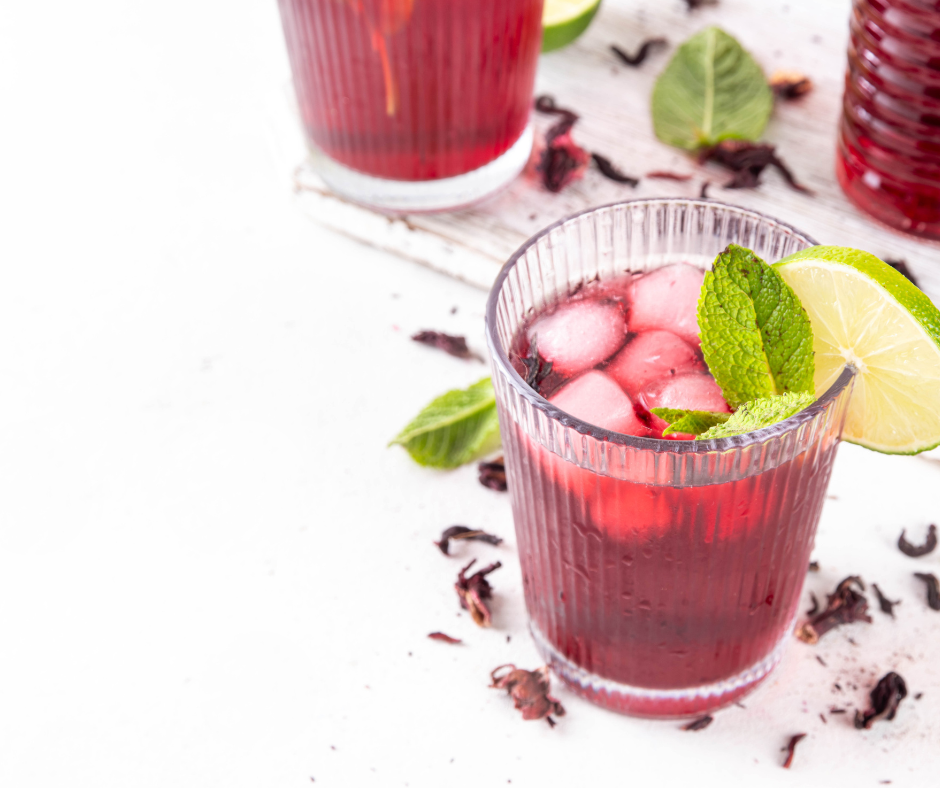
Hibiscus (Karkade): Egypt’s Drink of Welcome
In Egypt, few beverages are as beloved as karkade (Hibiscus sabdariffa). Whether served steaming hot on a cool winter evening or poured over ice during the heat of summer, karkade is more than a refreshing drink, it is a symbol of hospitality, generosity, and celebration.
It is customary for many Egyptian families to offer guests a glass of karkade as a warm welcome into their home. Its deep ruby color, refreshing tartness, and vibrant appearance make it a memorable expression of Egyptian hospitality. Karkade is also traditionally served at weddings, family gatherings, and festive occasions, where sharing food and drink reflects the importance of community and togetherness.
From Field to Cup
The hibiscus used for karkade is harvested when the bright red calyces become thick, fleshy, and fully mature. Across Upper Egypt, particularly in the governorates of Aswan and Qena, harvesting often begins in late summer and continues into autumn.
Harvesting is still done largely by hand. Early in the morning, before the midday heat becomes intense, farmers carefully pick each calyx to preserve its quality. The seed capsule is removed, and the ruby-red calyces are spread out to dry naturally under the Egyptian sun. Over several days they shrink, darken, and develop the rich, tangy flavor that has made Egyptian karkade famous around the world.
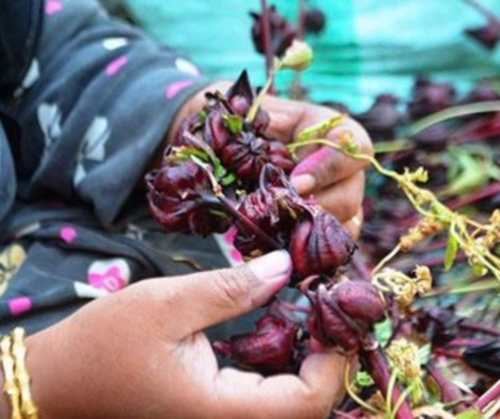
For many farming families, the harvest is a community tradition. Parents, grandparents, and children often work together in the fields and drying yards, passing down knowledge from one generation to the next. The sight of crimson calyces drying in the sun has become an iconic image of Upper Egypt during harvest season.
For many families in Upper Egypt, hibiscus is an important cash crop. Harvest season provides employment for growers and seasonal workers, while the dried calyces are sold in local markets and exported worldwide. Egyptian karkade has earned an excellent reputation for its intense ruby-red color, refreshing flavor, and high quality, making it one of the country’s best-known botanical exports.
A feddan (about 4,200 m² or 1.038 acres) typically produces:
- Fresh calyces: approximately 2–4 metric tons per feddan, depending on the variety, soil fertility, irrigation, and crop management.
- Dried calyces: approximately 300–600 kg per feddan, since the calyces lose a significant amount of moisture during drying.
- Seeds: approximately 200–500 kg per feddan, which may be saved for planting or used for oil extraction and animal feed.
Under excellent growing conditions with improved cultivars and good agricultural practices, yields may exceed these averages.
A Cup That Connects Generations
For many Egyptians, the aroma and taste of karkade evoke cherished memories, welcoming visitors, celebrating special occasions, or gathering with family after a long summer day. It is a simple drink, yet one that carries generations of tradition, reflecting the warmth, hospitality, and enduring agricultural heritage of Egypt.
Today, whether enjoyed in a village along the Nile or in homes around the world, a glass of karkade continues to tell the story of Egypt, one sip at a time.
I hope this introduction has inspired you to look beyond the cup and discover the remarkable history and botanical beauty of this extraordinary plant.
In my next blog, we’ll explore the many ways to enjoy hibiscus, from traditional Egyptian karkade to infused honey, botanical creations, and other delicious recipes you can make at home.
Until then, take a moment to appreciate the plants around you. Every botanical has a story, and every story begins with curiosity.
Sabah El Ward, wishing you a day filled with beauty, fragrance, and inspiration.
With gratitude,
Raghda Abdelmaksoud
Founder, Ebers School of Aromatherapy