
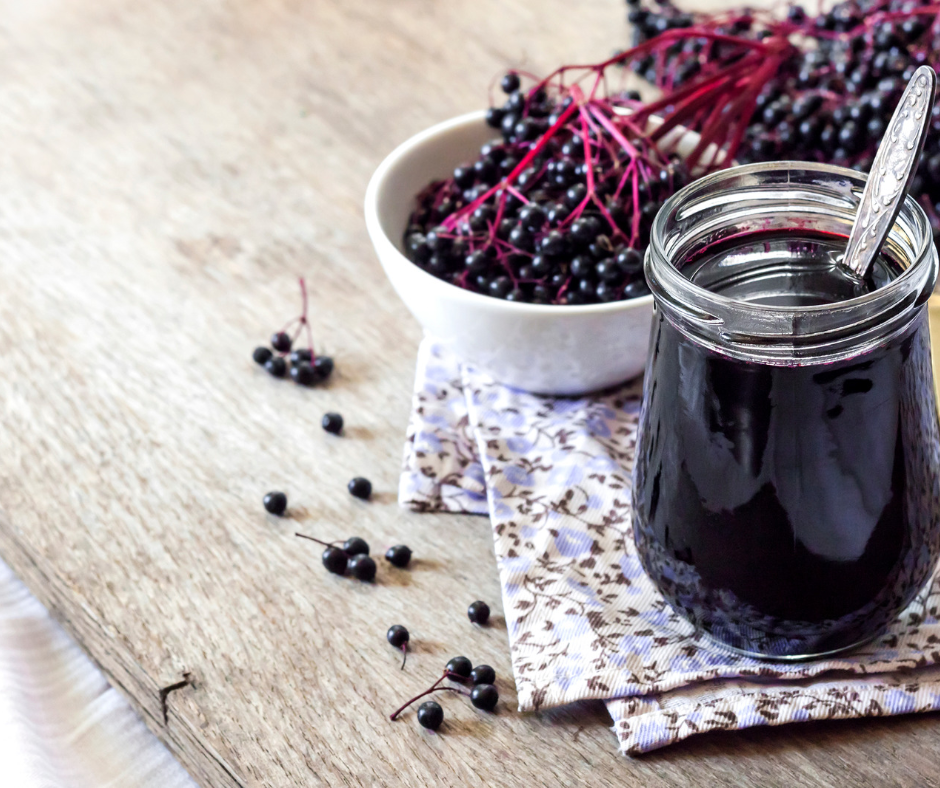
Elderberry, Hibiscus & Warming Spices
From the Herbal Kitchen | Ebers School of Aromatherapy
There is something special about the rituals we return to as the seasons change. The gentle aroma of spices, the vibrant colors of botanicals, and the simple pleasure of preparing something by hand remind us of our connection to nature.
This winter, I am sharing one of my favorite herbal preparations: a beautifully fragrant elderberry syrup infused with hibiscus, black seed, cardamom, cinnamon, anise, rosemary, and chamomile.
A celebration of botanical traditions, aromatic chemistry, and the art of thoughtful formulation.
The Botanicals Behind the Blend
Each ingredient has been selected for its distinctive character, traditional use, and contribution to the finished preparation.
Elderberry | Sambucus nigra L.
The heart of this recipe. Deeply colored and rich in anthocyanins, elderberries have a long history in traditional European winter preparations.
Hibiscus | Hibiscus sabdariffa L.
Vibrant, tart, and beautifully crimson. Hibiscus adds brightness and balances the deeper berry and spice notes.
Black Seed | Nigella sativa L.
A treasured botanical in Middle Eastern traditions, black seed contributes an earthy, slightly peppery character. Its naturally occurring constituent thymoquinone has been the subject of considerable scientific interest.
Cardamom | Elettaria cardamomum (L.) Maton
Elegant, warm, and subtly refreshing. Cardamom contains aromatic constituents including 1,8-cineole and alpha-terpinyl acetate.
Cinnamon | Cinnamomum verum J.Presl
A familiar winter fragrance with delicate sweetness and warmth. Cinnamaldehyde contributes to its distinctive aromatic profile.
Anise | Pimpinella anisum L.
Sweet, delicate, and reminiscent of licorice. Anise brings a beautiful aromatic softness, largely associated with its trans-anethole content.
Rosemary | Salvia rosmarinus Spenn.
Fresh and herbaceous, rosemary introduces an aromatic contrast to the richness of the berries and spices.
German Chamomile | Matricaria chamomilla L.
Soft, floral, and comforting. Chamomile gently rounds out the formulation, creating a harmonious finish.
The Recipe
Elderberry & Botanical Winter Syrup
Ingredients
- ½ cup dried ripe elderberries (Sambucus nigra)
- 1 tablespoon dried hibiscus calyces (Hibiscus sabdariffa)
- ½ teaspoon black seeds (Nigella sativa)
- 4 green cardamom pods (Elettaria cardamomum), lightly crushed
- 1 cinnamon stick (Cinnamomum verum)
- ½ teaspoon anise seeds (Pimpinella anisum), lightly crushed
- ½ teaspoon dried rosemary (Salvia rosmarinus)
- 1 tablespoon dried German chamomile flowers (Matricaria chamomilla)
- 3 cups water
- ⅓–½ cup honey, maple syrup, or date syrup, according to taste
Preparation
01 | Begin with the warming botanicals
In a saucepan, combine the elderberries, black seeds, cardamom, cinnamon, anise, and water.
02 | Allow the aromas to unfold
Bring to a full boil, then reduce to a steady simmer for 35–45 minutes, until the elderberries are thoroughly cooked and the liquid has reduced by approximately half.
03 | Introduce the delicate botanicals
Remove from the heat. Add hibiscus, rosemary, and chamomile. Cover and allow the infusion to steep for 15–20 minutes.
04 | Strain with care
Pass the preparation through a fine-mesh sieve or cheesecloth, collecting the richly colored liquid and discarding the botanicals.
05 | Add a touch of sweetness
Allow the infusion to cool until warm, then incorporate your preferred sweetener. Adjust gradually to achieve your desired balance.
06 | Bottle and preserve
Transfer to a clean glass bottle, refrigerate promptly, and enjoy within 5–7 days. Freeze in small portions for longer storage.
Sweetness, Naturally
Refined sugar is not essential to creating a flavorful herbal syrup.
Honey lends a delicate floral richness. Maple syrup introduces warm, rounded notes. Date syrup offers a deeper, caramel-like character, beautifully complementing cardamom, cinnamon, and anise.
For those who prefer a lighter preparation, the infusion can also be enjoyed with little or no added sweetener.
These alternatives still contain sugars, and none will make the homemade preparation shelf-stable.
The Art of Botanical Formulation
A thoughtful botanical preparation is more than a collection of ingredients.
It is an exploration of balance.
The richness of elderberry meets the brightness of hibiscus. The warming character of cinnamon, cardamom, and anise contrasts with the earthiness of black seed. Rosemary introduces freshness, while chamomile softens the final composition.
Together, they create a layered sensory experience, fruity, tart, gently spicy, herbaceous, and floral.
Although these plants have individual histories of traditional use and scientific investigation, this particular combination has not been clinically established to prevent or treat illness.
A Closing Thought
At Ebers School of Aromatherapy, our appreciation of botanicals extends beyond essential oils. We explore the whole plant, its history, chemistry, traditional uses, and the many ways it connects us to nature.
Sometimes, that exploration begins with something as simple as a saucepan, a handful of herbs, and a quiet winter afternoon.
May your winter be filled with warmth, curiosity, and the beautiful aromas of nature.
A Note on Safety
This recipe is shared for culinary and educational purposes and is not intended to diagnose, treat, cure, or prevent disease. Use only correctly identified, food-grade dried ripe European elderberries (Sambucus nigra), and cook thoroughly. Never use raw or unripe elderberries, leaves, or stems.
Consult a qualified healthcare professional before using concentrated herbal preparations during pregnancy or breastfeeding, with medical conditions, or while taking medications. Honey must never be given to children under 12 months. This recipe does not provide a medicinal dosage for children.
Refrigerate promptly and use within 5–7 days, or freeze for longer storage. Discard if spoilage is suspected.
© Ebers School of Aromatherapy